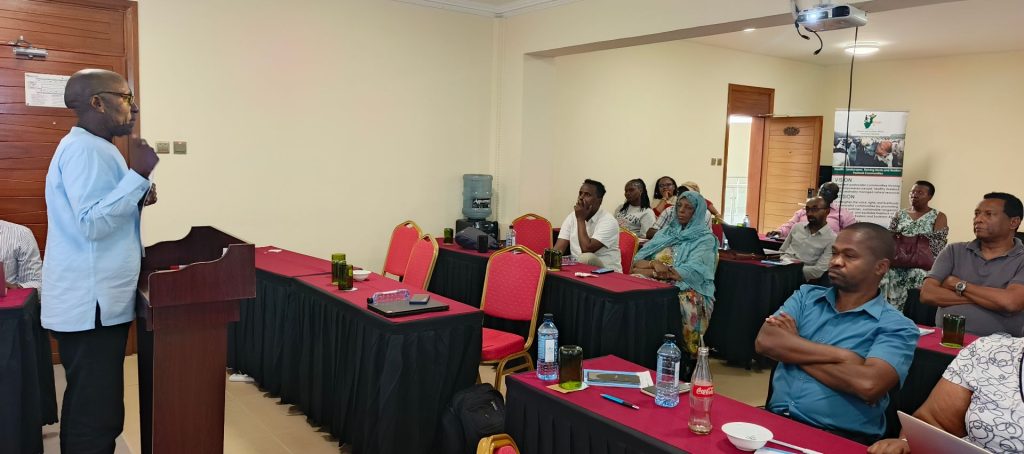
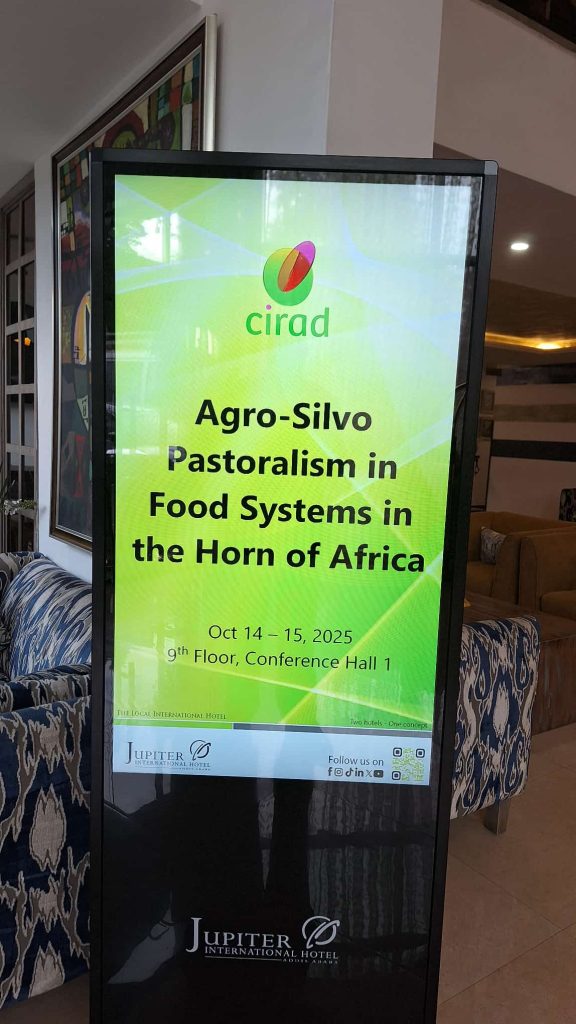
The “Science-Policy Lab on Agrosilvopastoralism (ASP) in the Sahel and the Horn of Africa” held in Addis Ababa in October 2025, provided a venue for ESAPN to engage in high-level policy dialogue. This meeting aimed to bridge the gap between scientific research and policy development regarding agrosilvopastoral systems. ESAPN emphasized that these systems are fundamental to the resilience of millions of people in the region, providing a sustainable way to manage the complex interactions between livestock, trees, and crops in fragile ecosystems.
A key focus of the dialogue was the importance of mobility and the need for inclusive policies that recognize the unique contributions of ASP to food security and sustainable land management. ESAPN argued that policies must move away from static models of land use and instead embrace the fluidity and adaptability of pastoral systems. The Science-Policy Lab underscored the necessity of evidence-based advocacy, where scientific findings on the benefits of agrosilvopastoralism such as carbon sequestration and biodiversity conservation are used to inform national and regional development plans. By participating in this lab, ESAPN is helping to redefine how governments view rangelands, pushing for a more holistic and supportive policy environment that values the environmental and social benefits of pastoralism.