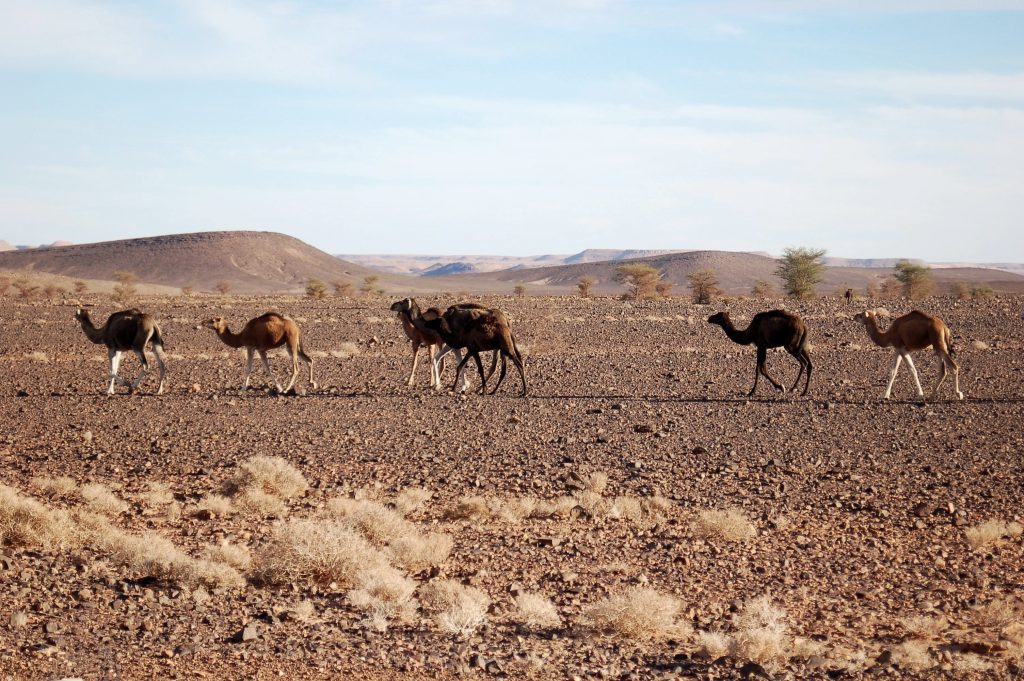
Across Eastern and Southern Africa, millions of people depend on pastoralism for their livelihoods, food security, and resilience to climate change. Yet pastoral communities are often excluded from the policies and decisions that shape their land, mobility, and futures. ESAPN’s induction training on pastoral policy advocacy and parliamentary engagement sought to change that.
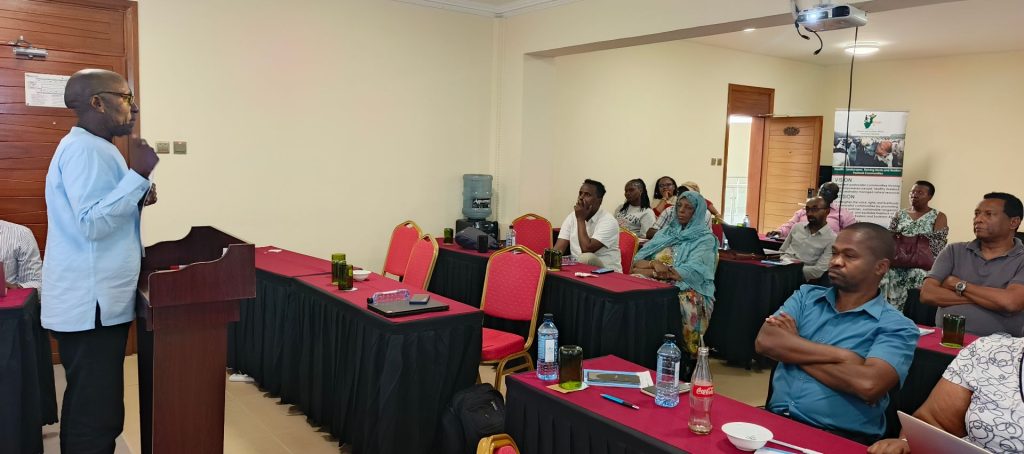
In a bid to respond to the challenge, ESAPN organised a training for its members who are participating in the Pastoralism and Livestock Adaptation to Climate Change in Eastern Africa Programme (PLACE). It is a European Union-funded initiative coordinated by the Food and Agriculture Organization of the United Nations (FAO) that works to enhance resilience, improve food security, and support sustainable pastoral livelihoods across several cross-border regions in Eastern Africa. The 22 (36% women) participants included technical staff of the member organisations and the ESAPN Secretariat and representatives the member organisations. They came from six countries: Ethiopia, Kenya, Somalia, South Sudan, Tanzania and Uganda.
The participants deepened understanding of pastoralism as a modern, adaptive livelihood system rooted in mobility, shared rangelands, and indigenous knowledge. They explored how restrictions on movement, land fragmentation, and poorly designed development and conservation policies are undermining pastoral livelihoods and increasing vulnerability to climate shocks.
ESAPN equippedparticipants with practical advocacy tools drawn from regional and international policy frameworks, including the African Union, East African Community, IGAD, and United Nations instruments. These frameworks provided powerful entry points for holding governments accountable, influencing legislation, and ensuring pastoralists were included in climate, land, livestock, and development policies.
By combining policy analysis, real-country case studies, and peer learning, the training strengthenedpastoralist voices in national and regional decision-making spaces. This contributed to increased recognition of pastoralism as a foundation for resilient livelihoods, sustainable food systems, and inclusive development across the region. As a result, ESAPN members were more informed and ready for evidence-based advocacy and stronger engagement with parliaments and government institutions. This has laid a foundation for sound ESAPN members’ engagements with the various national Pastoralist Parliamentary Groups as well as the East Africa Legislative Assembly.